


A Rainy-Day Journalling Ritual for British Weather

Rain in Britain rarely arrives politely. It comes sideways at the bus stop, drips off the gutter onto your collar, and turns the school run into a negotiation. But there is another sort of rain: the steady, grey kind that settles in for the afternoon and cancels your plans on your behalf. That rain is a gift to anyone who keeps a journal. What follows is a small ritual for using it — not a productivity system, just a way to slow down and write.
Why a Wet Afternoon Suits the Page
Journalling rarely fails because you lack ideas. It fails because there is always something more urgent to do. Rain removes the competition. The garden can wait, the walk can wait, and nobody expects you to be anywhere.
It also does the sensory work for you. A rainy afternoon supplies its own soundtrack, its own dimmed light, its own smell of wet stone and damp coats. You do not have to create an atmosphere; you only have to stop long enough to notice the one that is already there. And because rain slows the pace of everything outside, it quietly gives you permission to slow down too.
Set the Room Before You Set the Page
Half of a good writing session is decided before the pen comes out. Give yourself ten minutes to deal with the physical world first, and the writing will be easier.
Put the kettle on and make the drink you actually want rather than the one you make on autopilot. Towel your hair dry, change your socks, hang the wet coat over the radiator, stand the umbrella in the bath. Then set up where you will write: a table rather than your lap, a lamp over your shoulder, a blanket within reach, phone in another room or face down and silent.
Three details worth getting right
- Light. Sit near the window for the rain and the grey light, but switch a lamp on as well. Cold blue light on a wet afternoon is bleak; a warm pool of light over your page is not.
- Your hands. Cold hands make handwriting a chore. Wrap them round the mug for a minute before you start.
- One clear surface. Everything off the table except the journal, a pen and your drink. A spare pen nearby is sensible.
The Ritual, Step by Step
Fifteen to twenty-five minutes is plenty. Do the same things in the same order and the ritual starts doing the work for you.
- Sit down and listen for two minutes. No writing yet. Name three sounds: rain on the window, a car passing through standing water, the boiler clicking on.
- Write the date and the weather. Not just "rain". Try:
Rain since half nine. Gutters running. The bin lid banging in the wind.
Years from now, that line will put you back in this room far more reliably than a summary would. - Read the last entry. Two minutes, no more. Not to judge it — just to pick up the thread.
- Start with what is actually on your mind. Not what you think you should reflect on. Ten minutes, pen moving, no reading back, no crossing out.
- If you stall, change tack. Drop into a prompt, describe the room you are sitting in, or write about the rain as though it were a person who has just arrived.
- Stop before you run dry. Mid-sentence if you can. Leaving a thread loose makes it much easier to pick the journal up again.
Prompts for a Grey Afternoon
- What has this week asked of me that I have not answered?
- Describe this afternoon without using the word grey.
- What am I waiting for, and is it actually coming?
- The last time I felt properly warm.
- Something I keep meaning to say to someone.
- A room from my childhood on a wet day: what was on the windowsill?
- If tomorrow rained again, what would I do with it?
Keep the Senses in It
A rainy-day entry does not have to be deep. It only has to be specific. Write down the taste of tea going cold, the weight of the blanket, the way the window fogs at the edges. Sensory detail is not decoration; it is the thing that makes an entry worth reading in five years' time.
Write by hand if you can. Typing is faster, but the pace of handwriting sits much closer to the pace of thinking, and on a slow afternoon that is exactly what you want. If you prefer a keyboard, at least keep the drink and the window in the ritual.
When the Ritual Does Not Take
Some rainy afternoons refuse to become reflective. You sit down, the page stays blank, and you feel restless rather than calm. That is not a failure.
Lower the bar. Three sentences count. A list counts. Copying out a line from whatever you are reading counts. If the rain is making you sleepy rather than thoughtful, sleep — or sit and watch it with the journal open on your knee, ready in case something arrives. And if the weather genuinely flattens your mood, that is worth noticing in the journal too. Persistent low mood is something to talk to your GP about, whatever the forecast says.
A Small Ritual You Can Repeat
The point is not to write a masterpiece every time it rains. It is to have a default: when the rain settles in, the kettle goes on, the lamp goes on, and the journal comes out.
Keep the kit together in one place — journal, pen, spare pen — so there is no hunt and no excuse. Aim for fifteen minutes rather than an hour. Do not wait for the perfect rainy afternoon; the ordinary wet Tuesday will do. When you finish, close the book deliberately, look up at the window for a moment, and let the afternoon be what it is: grey, wet, and quietly yours.
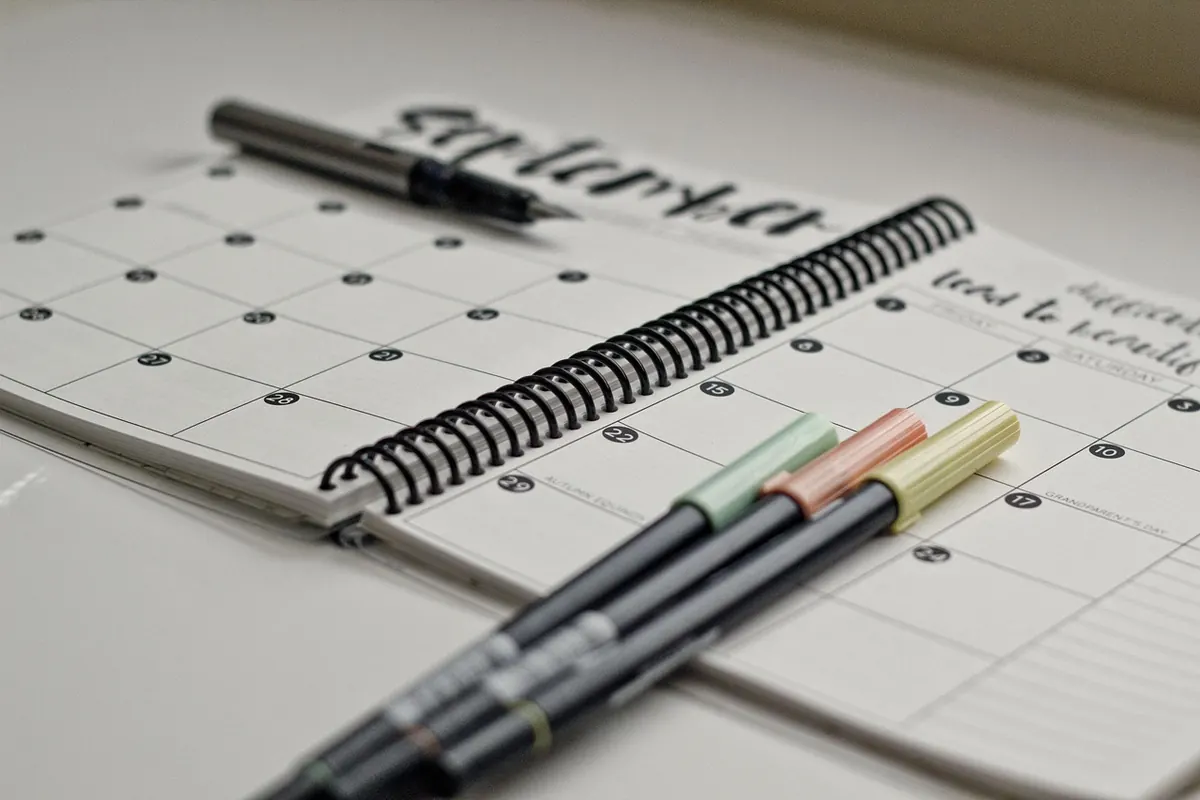
Photo: RahulPandit / Pixabay